


 Send Inquiry
Industrial Fumes Scrubbing System
Price 35000 INR/ Piece
MOQ : 1 Piece
Industrial Fumes Scrubbing System Specification
- Product Type
- scrubbing system
- Material
- Mild steel /Stainless steel/PP+FRP/GI
- Noise Level
- 85 db
- Capacity
- As per application m3/hr
- Voltage
- 230V /380V /415V /440V Volt (v)
Industrial Fumes Scrubbing System Trade Information
- Minimum Order Quantity
- 1 Piece
- Supply Ability
- 2 Pieces Per Week
- Delivery Time
- 10 Days
- Sample Policy
- Contact us for information regarding our sample policy
- Main Export Market(s)
- Central America, Middle East, Western Europe, North America, Africa, Australia, Eastern Europe, South America, Asia
- Main Domestic Market
- Madhya Pradesh, Kerala, Andhra Pradesh, Chhattisgarh, Rajasthan, Telangana, Maharashtra, Gujarat, Karnataka
Industrial Fumes Scrubbing System About
Industrial Fumes Scrubbing System
One of the most basic of the various industrial scrubbers is the wet industrial scrubber. In its most basic form, water is encapsulated in a metal or composite container. Contaminated gas is passed through the water, and the water absorbs the contaminates. Other liquids can be used to effectively remove varied contaminates. These liquids differ in the chemical composition and the overall charge. These liquids can be anything from highly positively or negatively charged to non-charged. Because pollutants can differ in their charge, scrubbers can be packed with a liquid that will bind most effectively to remove the contaminate from the gas.
The gas exiting the scrubber is thus cleaner. Developments in wet scrubbers have allowed for increased efficiency in pollutant removal. One of the major developments has been to maximize the total surface of the liquid with which the polluted gas associates. More surface area means that more of the contaminates can be pulled out of the gas. Another development in scrubbers has been increasing the mixture of the gas with the scrubber fluid. These aspirators agitate the solution and increase the mixing of the polluted gas and the liquid.
The wet scrubber differs from the other different types of industrial scrubbers because the liquid-gas association increases the moisture level of the gas that is being expelled from the scrubber. The increased moisture in the gas will create a visible cloud exiting the scrubber.
Advanced Materials for Maximum Durability
The system is constructed from a variety of premium materials such as PP+FRP, SS316, MS, and PVDF. These materials ensure resistance to corrosive fumes and industrial conditions, extending the products service life. This flexibility allows for seamless adaptation to diverse industrial settings, whether the requirement is for mild steel, stainless steel, or composite options like PP+FRVE.
Customized Solutions for Diverse Applications
Designed to meet individual client specifications, the Industrial Fumes Scrubbing System offers customizable options for size, color, voltage, and capacity. This tailored approach ensures optimal performance for any ventilation or exhaust system, regardless of the applications complexity or the sites operational standards.
FAQs of Industrial Fumes Scrubbing System:
Q: How does the Industrial Fumes Scrubbing System operate?
A: The system uses a combination of high-efficiency scrubbing media and automatic control to capture and neutralize harmful industrial fumes during ventilation and exhaust processes. It supports humidification functions as well, ensuring clean air output as per industry standards.Q: What materials are used in the construction of the scrubbing system?
A: Depending on site requirements, the system is fabricated using PP+FRP, SS316, Mild Steel, PVDF, or GI. These materials are selected for their corrosion resistance and structural integrity in demanding industrial environments.Q: When should a fumes scrubbing system be installed in an industrial facility?
A: A fumes scrubbing system should be installed whenever industrial processes generate hazardous or irritating airborne particles, vapors, or gases, especially in compliance with environmental and workplace safety regulations.Q: Where is the Industrial Fumes Scrubbing System commonly used?
A: The system is typically deployed in industrial ventilation and exhaust systems, factories, chemical processing plants, and facilities where effective air purification is necessary to meet regulatory standards.Q: What is the process for customizing the systems size and capacity?
A: Clients provide their specific requirements for size and airflow capacity. Based on these details, the manufacturer designs and fabricates the system to meet precise operational needs for m3/hr flow and physical dimensions.Q: How is the Industrial Fumes Scrubbing System beneficial to businesses?
A: By efficiently removing toxic fumes and contaminants, the system helps businesses protect employee health, ensure regulatory compliance, prolong equipment life, and maintain a safer, cleaner environment.Q: What voltage options are available, and how do I select the right one?
A: Available voltage options include 230V, 380V, 415V, and 440V. The appropriate voltage is selected based on your facilitys electrical infrastructure and project requirements to guarantee safe, reliable operation.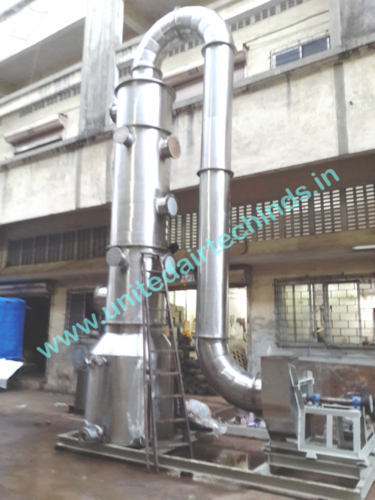
Tell us about your requirement

Price:
Quantity
Select Unit
- 50
- 100
- 200
- 250
- 500
- 1000+
Additional detail
Mobile number
Email

More Products in Fume Extraction System Category
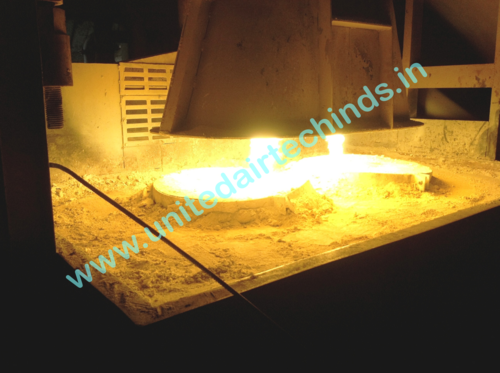
Zinc Dross Collection Fume Exhaust System
Price 45000 INR / Unit
Minimum Order Quantity : 1 Unit
Color : Siemens Grey
Product Type : Fume exhaust system
Power : 380 to 415 Volt (v)
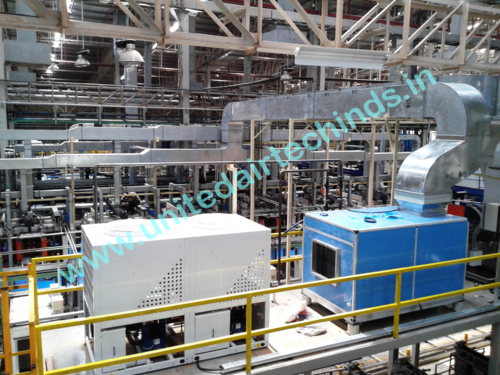
Industrial Fume Extraction System
Price Range 200000.00 - 500000.00 INR / Set
Minimum Order Quantity : 1 Foot
Color : as per customer specification
Product Type : Fume Exhaust System

Contact Us
GST : 27AACFU5752D1Z7

- F-79, Solaris-1, Saki Vihar Road, Powai, Andheri (E),Mumbai - 400072, Maharashtra, India
- Phone : 08045815716

- Mr Srinivas Salian (Managing Partner)
- Mobile :08045815716
- Send Inquiry
 Send Inquiry
 |
UNITED AIR TECH INDUSTRIES
All Rights Reserved.(Terms of Use) Developed and Managed by Infocom Network Private Limited. |
