





 Send Inquiry
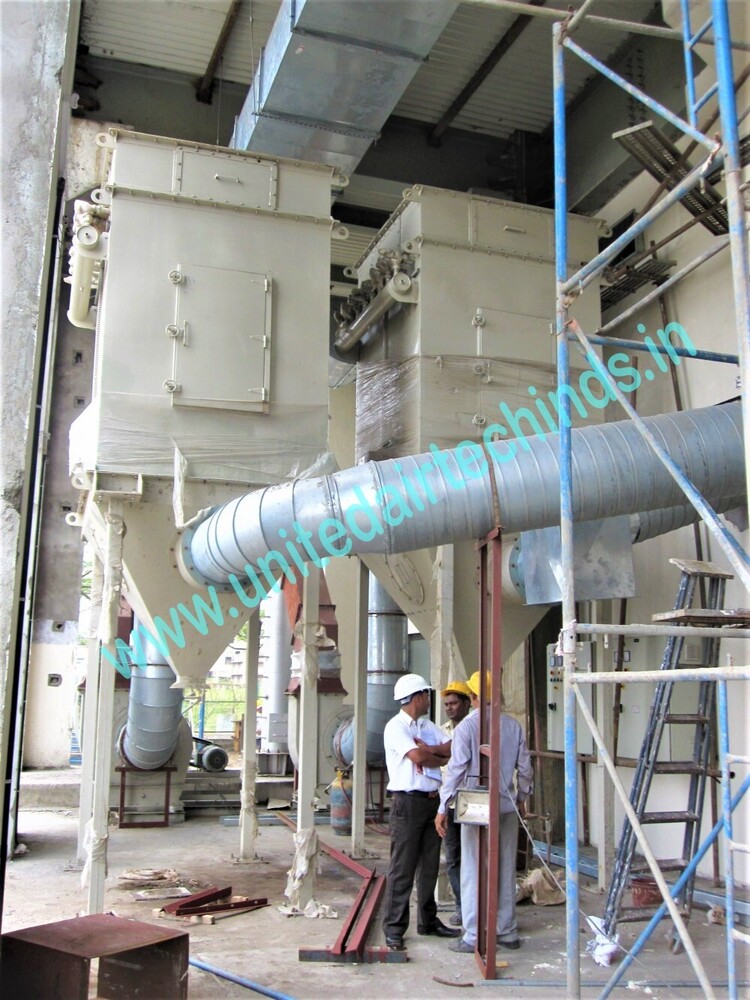
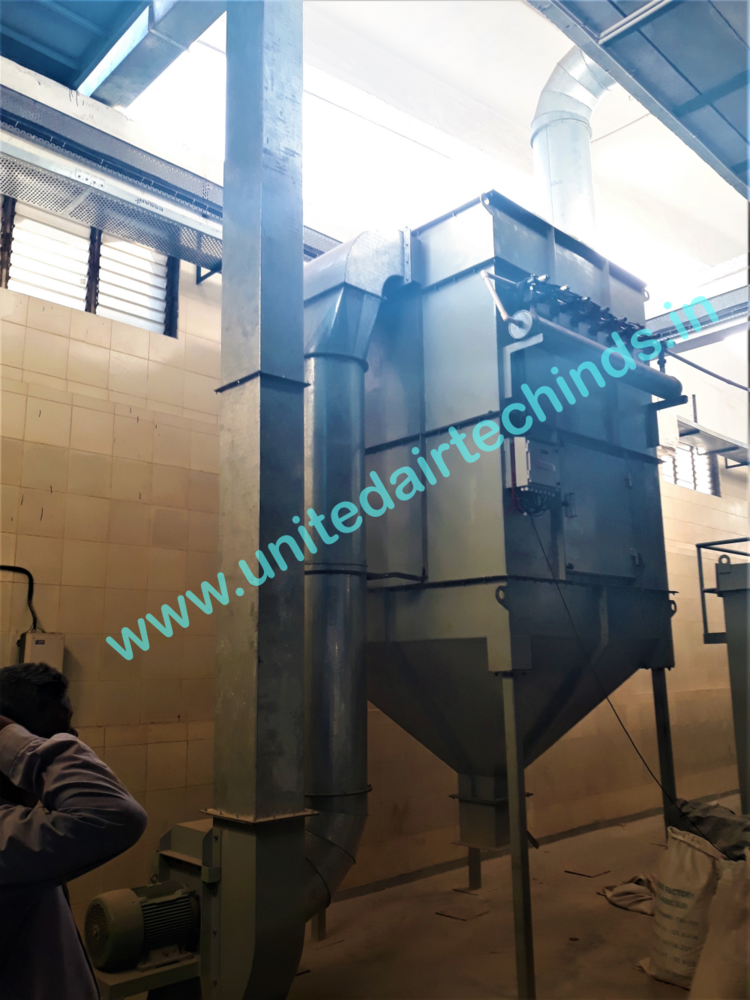
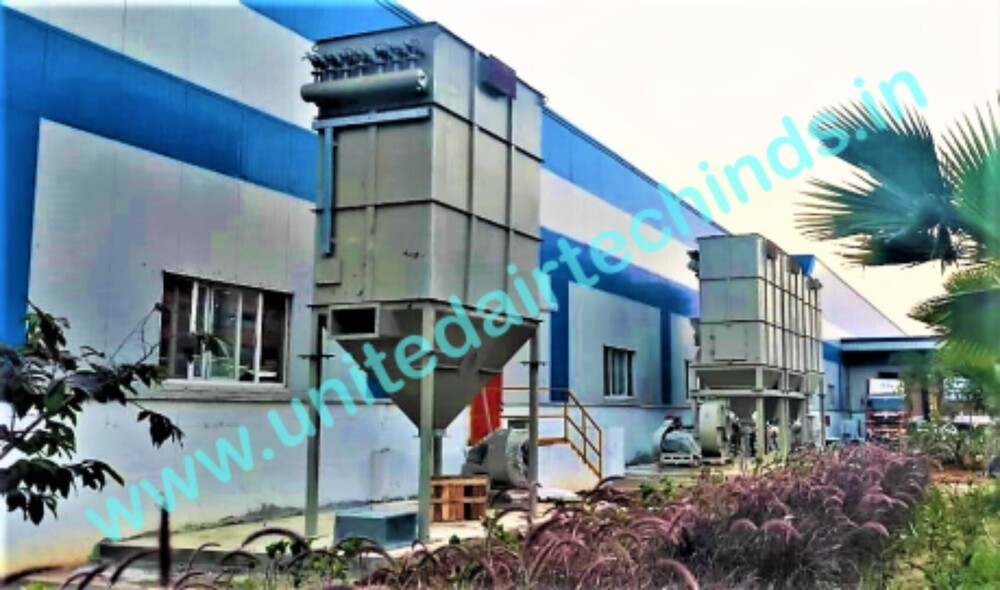
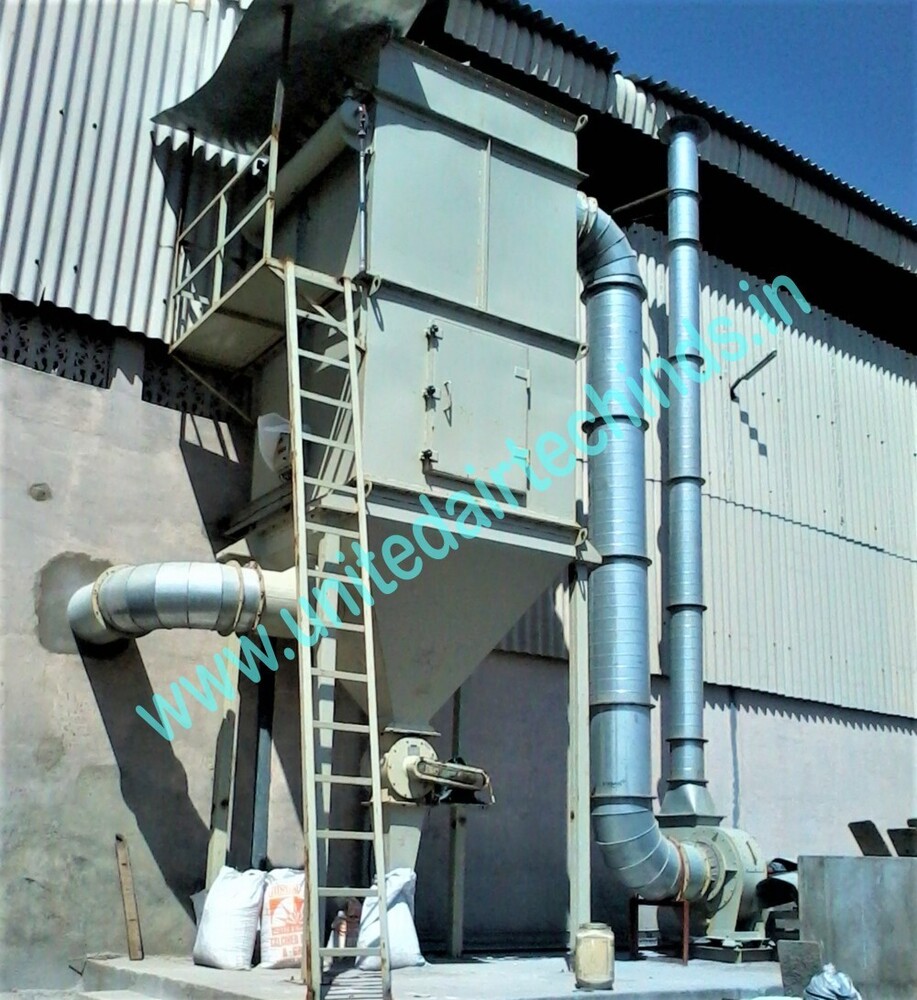
Bag Filter Reverse Pulse Jet
Price 1000000 INR/ Set
Bag Filter Reverse Pulse Jet Specification
- Material
- Mild Steel / Stainless Steel
- Installation Type
- Outdoor / Indoor Floor Mounted
- Noise Level
- 85 dB (A)
- Dust %
- 99.9% Collection Efficiency
- Filters
- Non-woven Synthetic / Polyester / Fiberglass Filter Bags
- Efficiency (%)
- 99% - 99.9%
- Application
- Industrial Dust Collection, Cement, Steel, Chemical, Pharmaceuticals, Food Processing
- Output
- Clean air below emission limits
- Control System
- PLC Control Panel / Automatic Timer
- Humidity %
- Up to 90%
- Connectivity Type
- Wired Electrical Connection
- Energy Consumption
- Optimized as per system design
- Features
- Modular Construction, Easy Maintenance, Leak-Proof Design
- Maintenance Type
- Low, Tool-free Filter Replacement
- Pressure Range
- 0.4 - 0.6 MPa
- Filtration Property
- Dry Filtration, High Efficiency
- Flow Rate
- Up to 100,000 m3/hr or as per requirement
- Dust
- Fine, coarse & fibrous dust particles
- Hole Size
- As per application (typically 2 to 50 micron)
- Ventilation
- Integrated suction fan (optional)
- Color
- Grey / Custom Coated
- Frequency
- 50/60 Hz
- Automatic Grade
- Automatic
- Capacity
- Customized as per requirement
- Power
- 3 kW - 30 kW (Depends on size and model)
- Voltage
- 220V / 380V / 415V
- Dimension (L*W*H)
- Customized, typically from 3m x 2m x 5m and above
- Weight
- Depends on model, ranges from 1 ton upwards
- Dust Discharge
- Rotary Air Lock Valve / Screw Conveyor
- Service Access
- Top/Side Removal Access Doors
- Equipment Type
- Reverse Pulse Jet Bag Filter
- Compliance Standards
- Meets Local Pollution Control Board Norms
- Monitoring
- Differential Pressure Gauge Provided
- Number of Filter Bags
- As per design, up to 500+ units
- Operating Temperature Range
- Ambient to 250C (depending on application)
- Compressed Air Pressure
- 5 - 6 bar for pulse jet cleaning
- Bag Length
- 1m to 3m or customized
- Surface Finish
- Galvanized / Epoxy Painted
- Safety Features
- Earthling, Overload Protection
- Frame Construction
- Heavy Duty, Powder Coated or Galvanized Finish
- Pulse Jet System
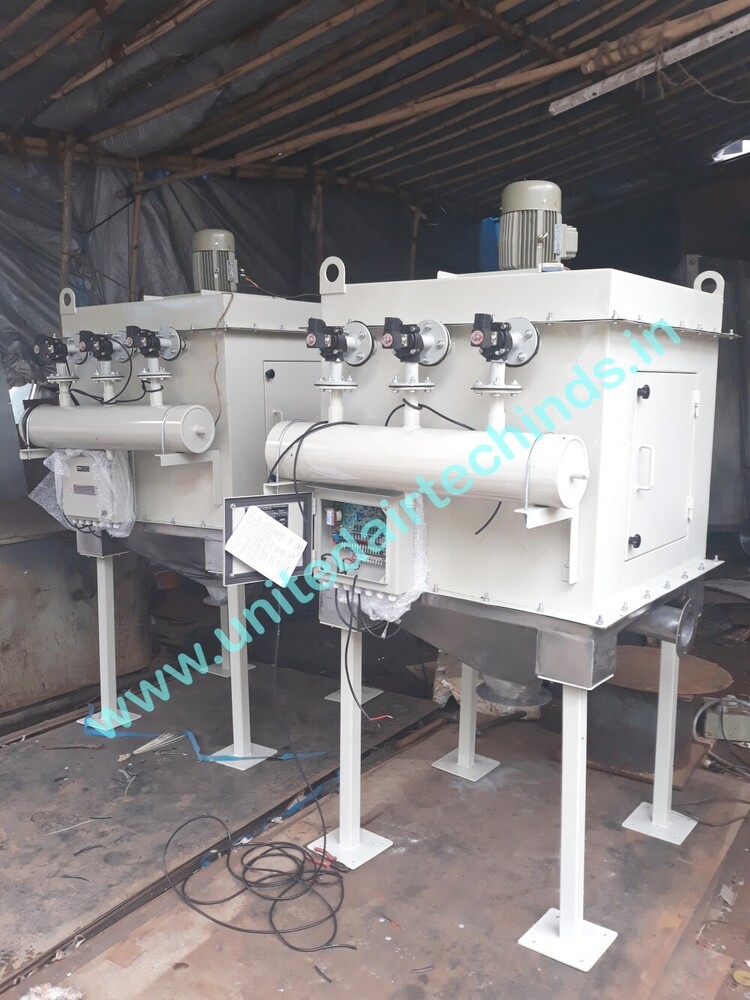
- Solenoid Valve Operated
- Bag Material
- Polypropylene, Polyester, Nomex, PTFE
Bag Filter Reverse Pulse Jet Trade Information
- Minimum Order Quantity
- 1 Set
- Main Domestic Market
- Gujarat, Karnataka, Kerala, Andhra Pradesh, Chhattisgarh, Madhya Pradesh, Maharashtra
Bag Filter Reverse Pulse Jet About
Most cartridgetype solutions utilize reverse jet technology The technique is relatively simple a jet of highpressure air is injected into the filter element against the direction of process airflow
This allows particulates that have built upon the surface of the filter media to be dislodged allowing it to fall back into the process or in the case of a dust collector into a collection bin
Both bag and cartridge reverse jet systems employ very much the same hardware for this operation a compressed air manifoldreservoir automatic diaphragm cleaning valve operated by in the most part electropneumatic and a jet tube to direct cleaning air into the core of the filter elements
The methods of directing air into the filter element are also similar some use a simple hole or series of holes drilled into the jet tube to direct air into the element others use a venturi in order to induce additional air into the element to improve cleaning
Efficient Pulse Jet Cleaning Mechanism
Utilizing compressed air at 5-6 bar, the solenoid valve-operated pulse jet system delivers sharp, periodic bursts to effectively clean filter bags. This ensures uninterrupted operation, low pressure drop, and sustained high collection efficiency for a wide range of dust types, including fine, coarse, and fibrous particulates.
Customizable Design for Diverse Industries
With modular configurations, customizable bag lengths and materials, and flow rates up to 100,000 m3/hr, this filter adapts to many industrial sectors such as cement, steel, food processing, and pharmaceuticals. Heavy-duty, powder-coated or galvanized frames, and multiple discharge options provide durability in harsh operating environments.
Advanced Automation and Safety
Fitted with a PLC control panel or automatic timer, the system delivers reliable, hands-free operation. Safety is prioritized through earthling, overload protection, and compliance with local pollution board standards. Tool-free filter replacement and top/side access doors simplify routine maintenance and minimize downtime.
FAQ's of Bag Filter Reverse Pulse Jet:
Q: How does the reverse pulse jet cleaning process work in this bag filter system?
A: The reverse pulse jet cleaning system uses brief, high-pressure blasts of compressed air (5-6 bar) sent through solenoid valves to dislodge dust from filter bags. This allows filtered particles to fall into the hopper for removal, maintaining optimal airflow and consistent collection efficiency without stopping normal operation.Q: What materials are available for the filter bags, and how do I choose the right one?
A: Filter bags are available in Polypropylene, Polyester, Nomex, and PTFE materials. Selection depends on application conditions such as operating temperature, chemical resistance requirements, and the type of dust being collected. Our specialists can assist you in choosing the most suited material for your process.Q: When should filter bags be replaced or serviced?
A: Filter bag replacement is recommended when differential pressure readings indicate a significant increase or if cleaning cycles do not restore airflow. Access doors on the top or side enable quick, tool-free replacement, ensuring minimal disruption in daily operations.Q: Where can the bag filter be installed, and what are typical applications?
A: This bag filter supports both indoor and outdoor floor-mounted installations. It is commonly used in cement plants, steel mills, chemical manufacturing, pharmaceutical production, and food processing facilities to control dust emissions and maintain air quality standards.Q: What are the primary benefits of using a reverse pulse jet bag filter system in my facility?
A: Key benefits include high dust collection efficiency (up to 99.9%), automatic self-cleaning, compliance with local pollution norms, and reduced downtime due to easy maintenance features like tool-free filter replacement and automated monitoring. This results in lower energy costs and a cleaner, safer work environment.Q: How is dust discharged from the system after filtration?
A: Collected dust is discharged via rotary air lock valve or screw conveyor, which transports the particles from the hopper to designated collection containers, ensuring continuous operation and clean workplace surroundings.Q: What control and monitoring features does the system offer?
A: The system includes a PLC control panel or automatic timer for automated operation and a differential pressure gauge for real-time monitoring of filter performance. These features help maintain efficiency and alert operators to necessary maintenance needs.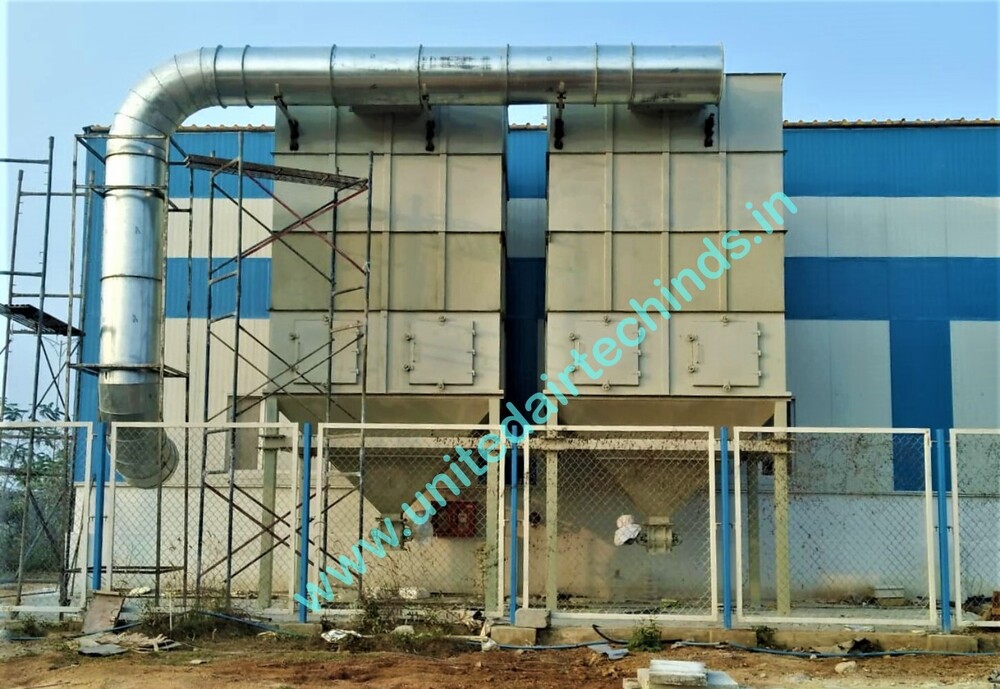

Price:
- 50
- 100
- 200
- 250
- 500
- 1000+


GST : 27AACFU5752D1Z7

- F-79, Solaris-1, Saki Vihar Road, Powai, Andheri (E),Mumbai - 400072, Maharashtra, India
- Phone : 08045815716

- Mr Srinivas Salian (Managing Partner)
- Mobile :08045815716
- Send Inquiry
 Send Inquiry
 |
UNITED AIR TECH INDUSTRIES
All Rights Reserved.(Terms of Use) Developed and Managed by Infocom Network Private Limited. |
